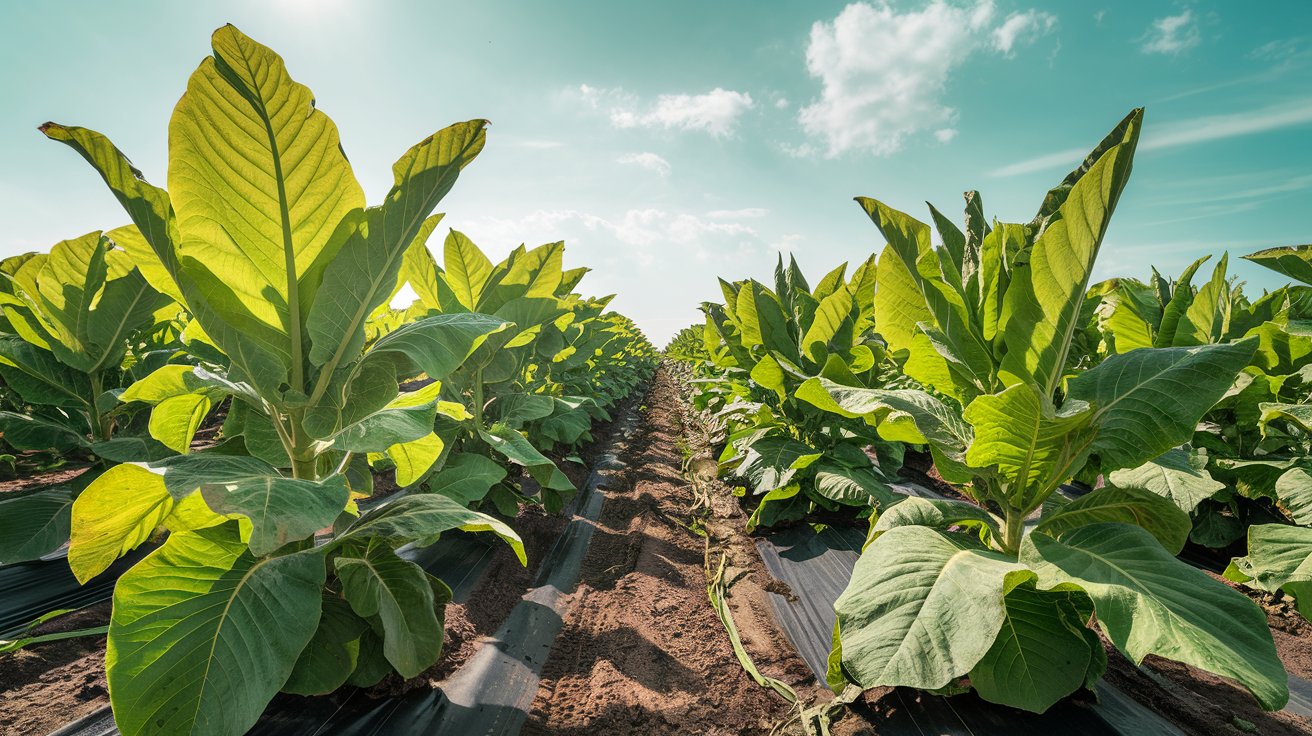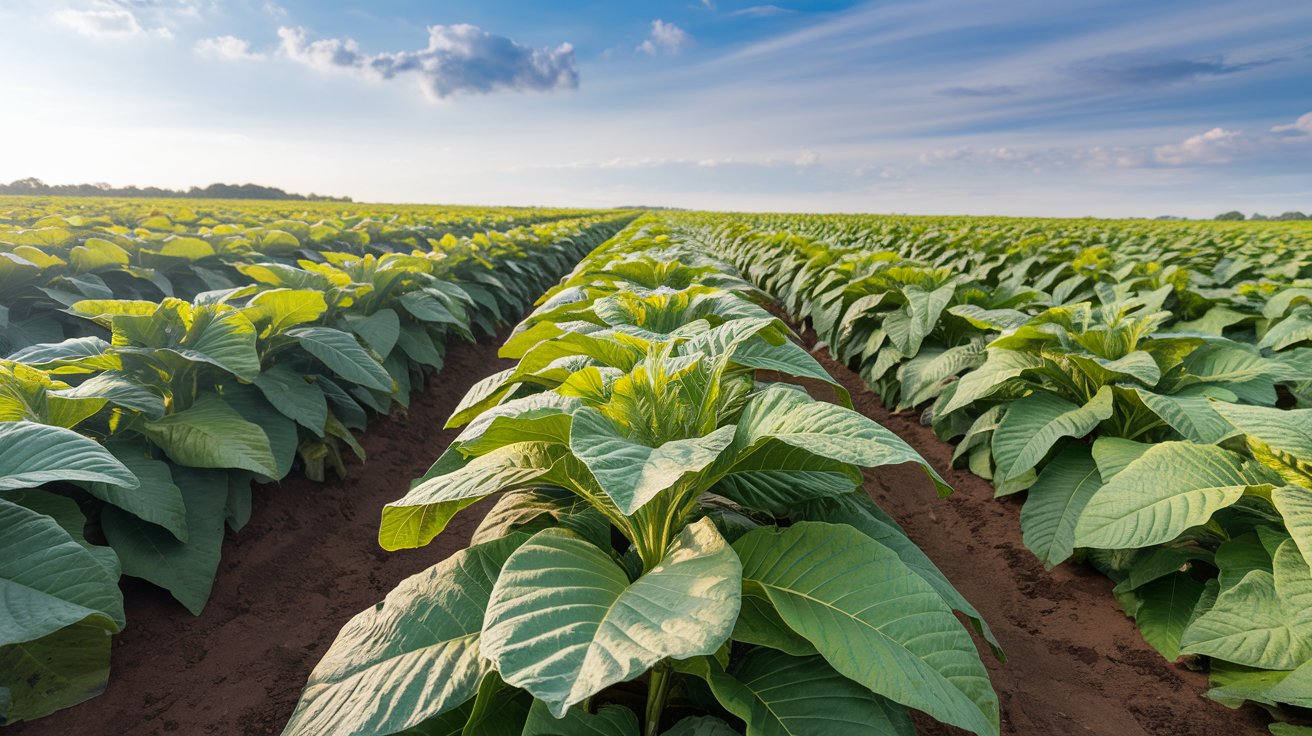





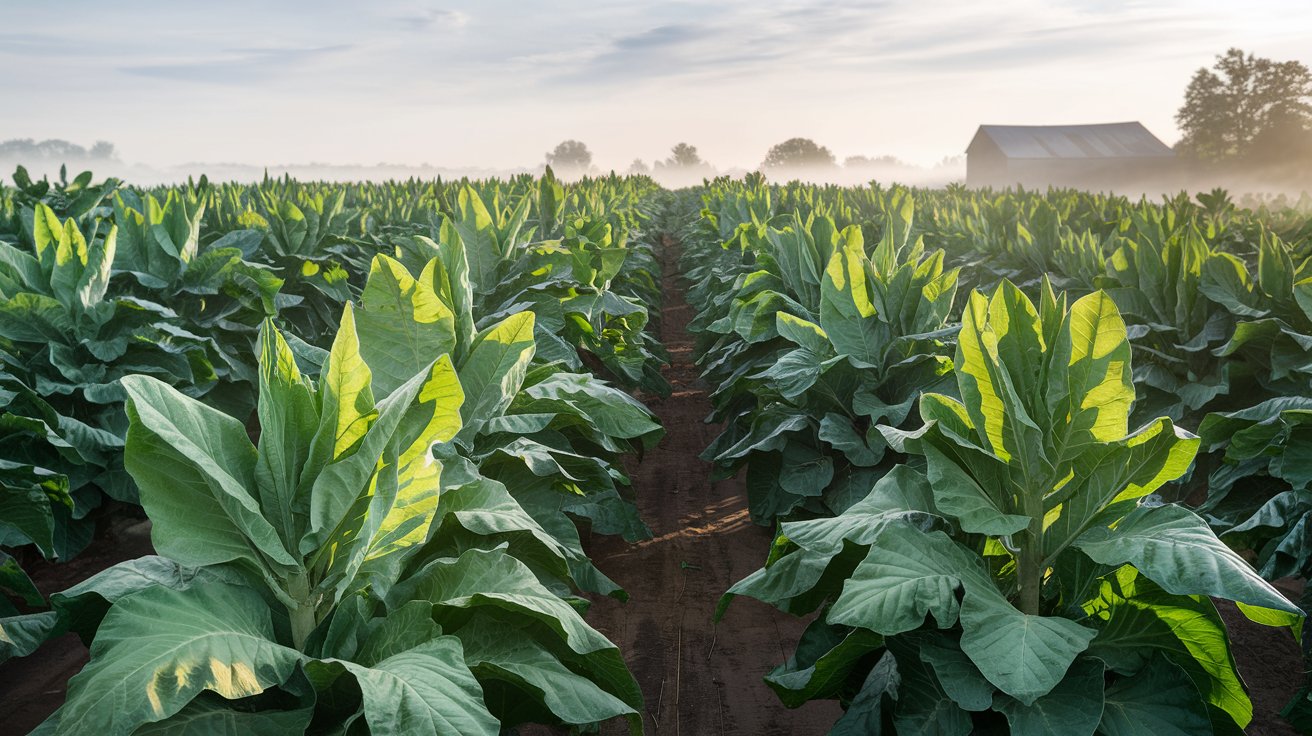
Iranian Virginia tobacco leaf stands as a cornerstone of the global cigarette industry, prized for its high nicotine content (1.5–3.5% dry weight), sweet flavor profile, and exceptional metabolic capacity. While originating in the sandy loams of Virginia, USA (introduced by John Rolfe in 1612), this flue-cured variety has found an ideal second home in Iran’s northern provinces—Gilan, Mazandaran, and Golestan—thanks to alluvial soils rich in nitrogen, pH 6.0–6.5, and a humid subtropical climate. In 2025, Iran cultivates over 30,000 hectares of Virginia tobacco, yielding 13,500 metric tons annually (Ministry of Agriculture data), making it the second-largest flue-cured Virginia (FCV) exporter in the Middle East.
This comprehensive guide—backed by PubMed, PMC, USDA 2025 reports, and Iranian agricultural studies—explores Iranian Virginia tobacco leaf in depth: from seed genetics and soil science to advanced flue-curing techniques, biochemical composition, export dynamics, and sustainable farming innovations. Whether you’re a grower, manufacturer, or policymaker, this article delivers actionable insights for 2025 and beyond.
History of Iranian Virginia Tobacco: From Qajar Imports to Regional Self-Sufficiency
The journey of Virginia tobacco in Iran began in the late 19th century during the Qajar era, when Ottoman traders introduced cured leaf samples. However, systematic cultivation started in the 1930s with the establishment of the Iranian Tobacco Company (ITC), which imported K326 and NC95 seed lines from North Carolina. By the 1970s, Gilan’s Caspian plains emerged as Iran’s “Virginia Belt,” mirroring the U.S. Piedmont region in soil texture and rainfall (1,200–1,800 mm annually).
Post-1979 sanctions forced local hybridization. Iranian agronomists developed K326-IR and Yunyan 87-IR—drought-tolerant, disease-resistant hybrids with 2.0–3.2% nicotine and yields up to 2.5 tons/ha under drip irrigation. Today, over 60% of Iran’s Virginia tobacco comes from domestically bred seeds, reducing import dependency by 85% since 2000 (FAO Iran Report, 2025).
Export Milestone (2025): Iran exported 5,000+ tons of flue-cured Virginia leaf to Turkey, Russia, and CIS countries—valued at $150 million—positioning it as a key player in the non-U.S. FCV market.
Step-by-Step Cultivation Process of Iranian Virginia Tobacco (2025 Best Practices)
Cultivating Iranian Virginia tobacco leaf demands precision. Below is the science-backed, field-tested protocol used by top growers in Mazandaran:
| Stage | Timing | Key Actions | Scientific Rationale |
|---|---|---|---|
| 1. Site Selection | Nov–Dec | pH 6.0–6.5, sandy-loam, >6 hrs sunlight, near water source | Optimal pH maximizes nicotine synthesis via PMT enzyme activity; sunlight drives photosynthesis. |
| 2. Soil Preparation | Jan | Deep plowing (40 cm), 100 kg/ha NPK (20-20-20), compost 10 t/ha | Nitrogen boosts leaf mass; organic matter improves water retention. |
| 3. Seedling Nursery | Feb–Mar | Float trays, 0.2 g/m² seed, 25–28°C | Prevents root shock; ensures uniform germination (95%+). |
| 4. Transplanting | Apr (post-frost) | 50–60 cm row spacing, 20–25 cm plant spacing | Optimizes light penetration and air circulation. |
| 5. Topping & Suckering | 50–60 days after transplant | Remove floral bud at 18–22 leaves | Redirects energy to leaf biomass; increases nicotine by 20–30%. |
| 6. Pest & Disease Control | Weekly | Neem oil, Trichoderma, TMV-resistant hybrids | Reduces yield loss by 40% (Iranian Journal of Plant Pathology, 2024). |
| 7. Harvesting | Jun–Jul (6–8 weeks post-transplant) | Priming (bottom-up), 4–6 leaves per pass | Ensures sugar-to-nicotine balance; avoids over-mature leaves. |
Pro Tip: Use drip irrigation with tensiometers—maintain soil moisture at 60–70% field capacity to prevent nicotine dilution from excess water.
Flue-Curing Iranian Virginia Tobacco: The Art & Science Behind Golden Leaf
Flue-curing is what transforms green Iranian Virginia tobacco leaf into the bright, sweet, high-sugar leaf used in 70% of global cigarettes. Unlike air-cured Burley, Virginia undergoes controlled heat and humidity to preserve sugars and convert starches.
Modern Iranian Flue-Curing Protocol (2025)
| Phase | Duration | Temp (°C) | Humidity (%) | Goal |
|---|---|---|---|---|
| Yellowing | 36–48 hrs | 32–38 | 85–90 | Chlorophyll breakdown; starch → sugar |
| Leaf Drying | 48–72 hrs | 38–54 | 70–80 | Fix color; preserve aroma |
| Stem Drying | 24–36 hrs | 54–71 | <40 | Remove moisture from midrib |
| Cooling | 12 hrs | Ambient | Natural | Prevent mold; stabilize leaf |
Iranian Innovation: Solar-assisted bulk curing barns (developed in Rasht, 2023) reduce fuel costs by 45% and CO₂ emissions by 60% vs. traditional gas barns.
Biochemical Outcome:
- Sugars: 18–25% (vs. 2–5% in Burley)
- Nicotine: 1.8–3.2% (optimal for blending)
- TSNAs (tobacco-specific nitrosamines): <1.5 ppm (FDA-compliant)
Biochemical Profile of Iranian Virginia Tobacco Leaf (Lab Data 2025)
| Compound | Content (% dry weight) | Role in Cigarette |
|---|---|---|
| Nicotine | 1.8–3.2% | Addictive alkaloid; smooth inhale |
| Reducing Sugars | 18–25% | Sweet taste; caramelization in smoke |
| Total Nitrogen | 2.0–2.8% | Precursor to aroma compounds |
| Chlorogenic Acid | 1.5–2.0% | Antioxidant; reduces harshness |
| TSNAs | <1.5 ppm | Carcinogen marker (low = premium) |
Source: HPLC analysis, Iranian Tobacco Research Center, 2025.
Why Iranian Virginia Excels: Higher rutin and scopletin levels (polyphenols) than U.S. counterparts—enhance smoke smoothness and shelf life.
Import & Export Status of Iranian Virginia Tobacco Leaf (2025)
Despite global anti-tobacco trends, Iranian Virginia tobacco leaf enjoys strong demand:
| Market | Volume (2025) | Value | Notes |
|---|---|---|---|
| Turkey | 2,200 tons | $66M | Blending for domestic brands |
| Russia | 1,500 tons | $45M | Duty-free under EEC agreement |
| UAE (re-export) | 800 tons | $28M | To Africa & Asia |
| EU (limited) | 300 tons | $12M | Only low-TSNA batches |
Challenges:
- U.S. sanctions limit access to premium K326 seeds.
- EU’s TSNA cap (<1 ppm) restricts high-nicotine lots.
- Domestic cigarette production absorbs 70% of output.
Opportunity: Nicotine-reduced Virginia (VLN) hybrids under development—targeting 0.6–1.0% nicotine for FDA-approved “reduced risk” products.
Sustainability & Future of Iranian Virginia Tobacco (2025–2030 Outlook)
Iranian growers are adopting regenerative agriculture:
- Crop rotation with rice: Reduces soil pathogens by 70%.
- Biochar + compost: Increases yield by 18%, sequesters carbon.
- Drone-based NDVI monitoring: Early detection of nutrient stress.
Policy Shift: Iran’s Ministry of Health targets 30% reduction in tobacco use by 2030—pushing growers toward hemp, stevia, or medicinal plants as alternatives.
FAQ: Iranian Virginia Tobacco Leaf
- 1. What’s the nicotine content in Iranian Virginia tobacco?
→ 1.8–3.2% dry weight (average 2.5%), ideal for premium blends. - 2. How does Iranian Virginia compare to U.S. Virginia?
→ Similar sugar (20%+), lower TSNAs, slightly higher polyphenols. - 3. Can I export Iranian Virginia leaf to the EU?
→ Yes, if TSNA <1 ppm and certified by SGS. - 4. What’s the best curing method in Iran?
→ Solar-hybrid bulk curing—cost-effective and eco-friendly.
Conclusion: Iranian Virginia Tobacco – A Legacy of Soil, Science, and Strategy
Iranian Virginia tobacco leaf is more than a crop—it’s a $500M+ industry supporting 100,000+ rural jobs, blending centuries-old farming wisdom with cutting-edge agronomy. From the misty fields of Gilan to the boardrooms of Istanbul, its golden, sweet, high-nicotine leaf powers global cigarette blends.
For growers: Invest in solar curing and low-nicotine hybrids. For exporters: Target TSNA-compliant markets. For policymakers: Balance economic gains with public health.