




Iranian Burley Tobacco Leaf: From Caspian Plains to Global Blends – A Deep Dive into Cultivation, Biochemistry, Air-Curing, and 2025 Export Trends
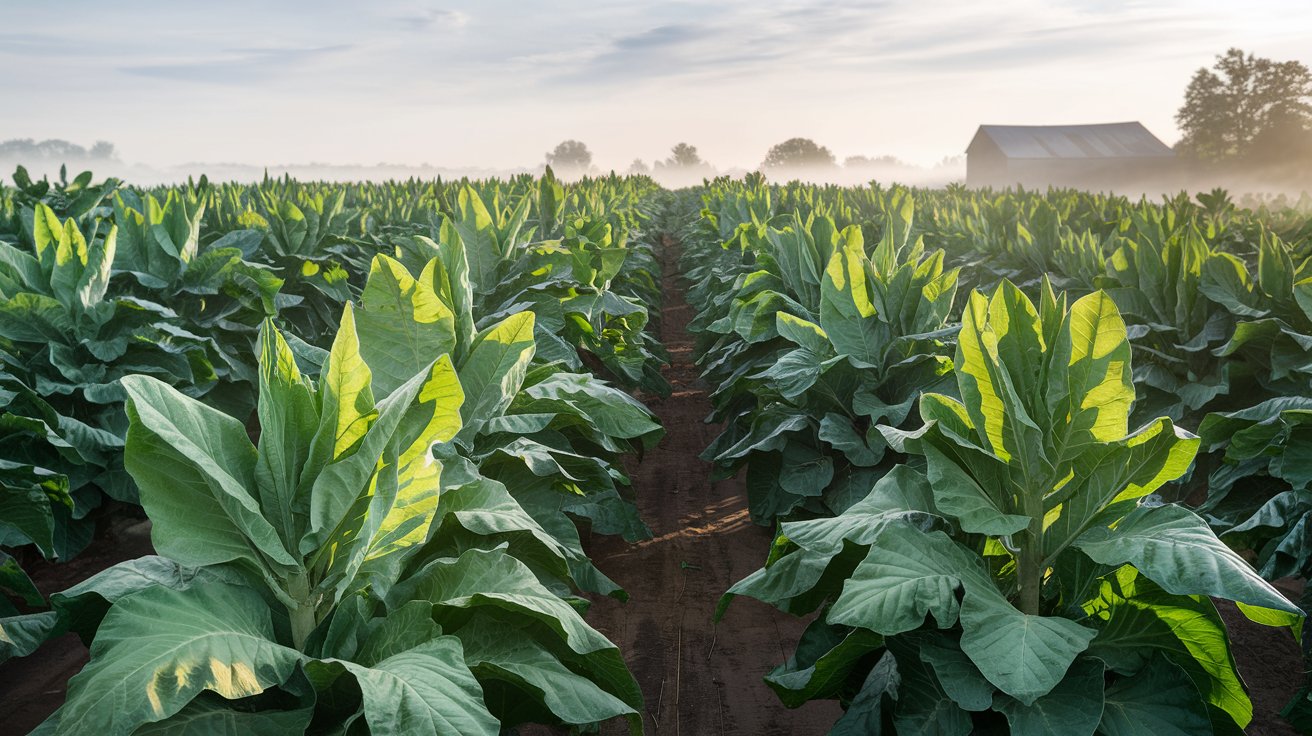
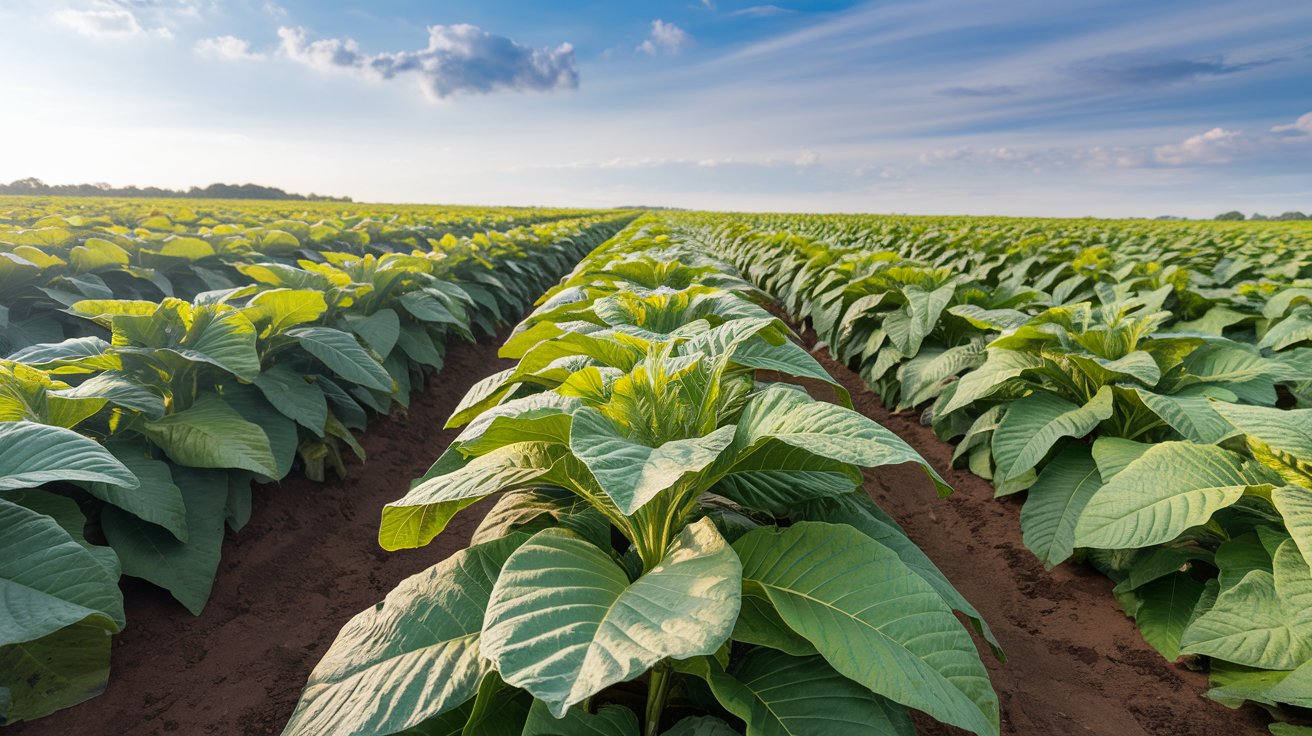
Iranian Burley tobacco leaf represents a robust, high-nicotine powerhouse in the tobacco world, characterized by its 2.0–4.0% nicotine content (dry weight), low sugar profile (<2%), and earthy, nutty flavor that absorbs casings exceptionally well. Originating from a 1864 mutation in Kentucky, USA (discovered by George Webb), Burley thrives in fertile, well-drained loams with high nitrogen—conditions mirrored in Iran’s northern provinces of Gilan, Mazandaran, and Golestan, where alluvial Caspian soils provide ideal pH 5.8–6.5 and moderate rainfall (800–1,200 mm annually). In 2025, Iran dedicates 3,500–5,000 hectares to Burley cultivation within its 9,500-ha total tobacco footprint, yielding 2,500–3,800 metric tons annually (Iranian Ministry of Agriculture estimates), positioning it as a key exporter to Turkey and CIS markets alongside Virginia.
This in-depth guide—drawing from PubMed, PMC, USDA 2025 reports, and Iranian agronomic research—unpacks Iranian Burley tobacco leaf: from genetic adaptations and soil microbiology to air-curing dynamics, biochemical signatures, trade flows, and sustainable innovations. Ideal for growers, blenders, and traders, it offers evidence-based strategies for optimizing yield and quality in 2025.
History of Iranian Burley Tobacco: From Ottoman Roots to Modern Hybrids
Burley’s introduction to Iran traces to the Ottoman era (late 19th century), when air-cured leaves arrived via trade routes for pipe blends. Systematic cultivation ignited in the 1950s through the Iranian Tobacco Company (ITC), importing KY 14 and Burley 21 strains from Kentucky to test in Mazandaran’s clay-loams. By the 1970s, Gilan’s humid lowlands became Iran’s “Burley Heartland,” paralleling Kentucky’s Bluegrass region in nitrogen-rich soils and 90–120 day growth cycles.
Sanctions post-1979 spurred indigenous breeding. Iranian scientists at the Tobacco Research Institute hybridized Burley-IR1 (nitrogen-efficient, 3.0–3.8% nicotine) and MZ-85 (pest-resistant to aphids and TMV), boosting yields to 1.8–2.2 tons/ha under rainfed systems. Today, 70% of Iran’s Burley derives from local hybrids, slashing seed imports by 90% since 1990 (FAO Iran Assessment, 2025).
Export Evolution (2025): Iran shipped 1,200 tons of air-cured Burley to Russia and Turkey—worth $35 million—cementing its role in low-sugar, high-body blends for American-style cigarettes. Companies like Pars Roshana Development Trading Co. lead exports, integrating cultivation with logistics for TSNA-compliant leaf.
Step-by-Step Cultivation Process of Iranian Burley Tobacco (2025 Optimized Protocol)
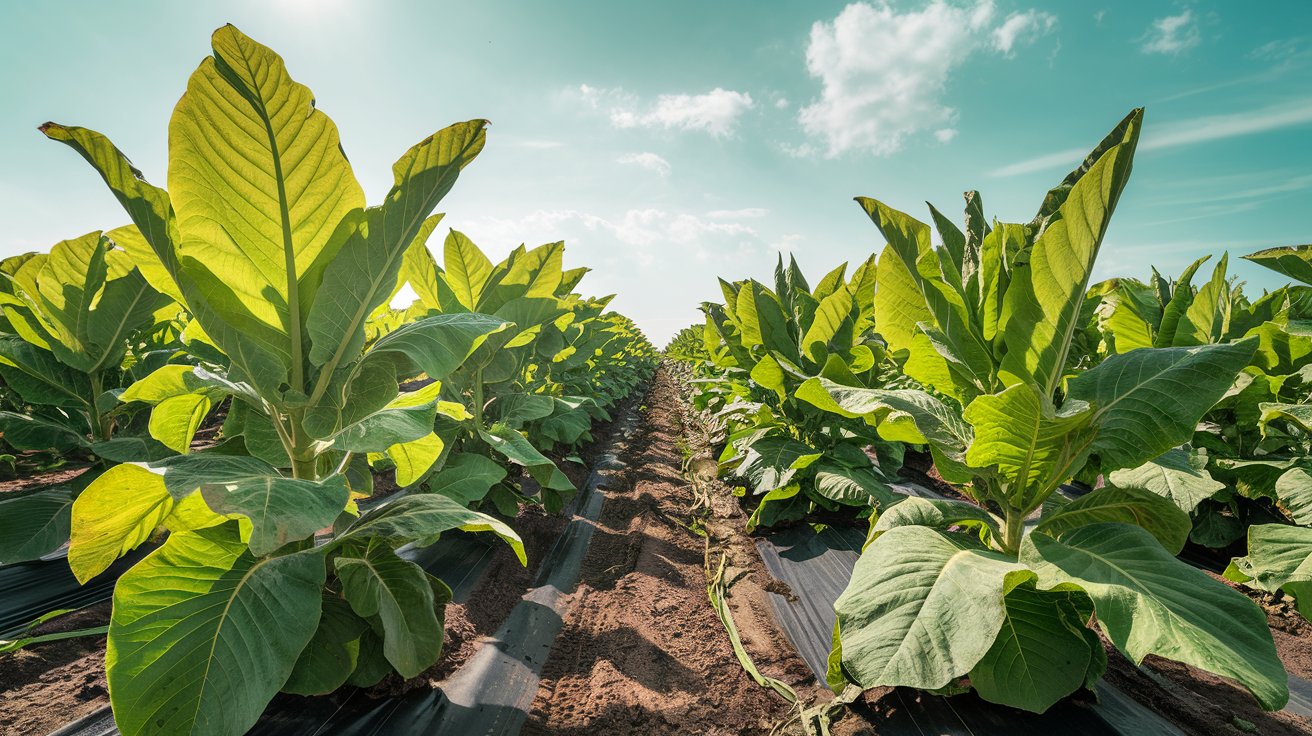
Growing Iranian Burley tobacco leaf emphasizes nitrogen fertility and air-curing readiness. Here’s the research-driven workflow from Golestan farms:
| Stage | Timing | Key Actions | Scientific Rationale |
|---|---|---|---|
| 1. Site Selection | Oct–Nov | Clay-loam pH 5.8–6.5, high N (>100 kg/ha available), 800–1,200 mm rain | Nitrogen fuels alkaloid synthesis; drainage prevents root rot in humid Caspian climate. |
| 2. Soil Prep | Dec | Deep tillage (30–40 cm), 150–200 kg/ha NPK (15-10-20), lime if acidic | Boosts microbial activity for nutrient uptake; corrects pH for optimal root development. |
| 3. Seedbed & Germination | Jan–Feb | Cold frames, 0.15 g/m² seed, 22–26°C | Achieves 90%+ germination; protects from frost in northern Iran. |
| 4. Transplant | Mar (soil >15°C) | 90–100 cm rows, 45–60 cm spacing | Enhances airflow, reducing fungal risks like blue mold. |
| 5. Fertilization & Topping | 40–50 days post-transplant | Split N apps (50% pre-plant, 50% sidedress); top at 16–20 leaves | Nitrogen peaks nicotine (up 25%); topping redirects assimilates to lamina. |
| 6. Pest Management | Bi-weekly | IPM: Bacillus thuringiensis for hornworms, copper fungicides for black shank | Cuts losses 30–50%; preserves leaf integrity for curing. |
| 7. Harvest | Jul–Aug (stalk cut at 50% yellowing) | Whole-plant cut, split stalks for hanging | Captures peak maturity; minimizes mechanical damage for even curing. |
Field Insight: In rainfed Golestan systems, mulching with rice straw retains 15–20% more soil moisture, stabilizing nicotine at 3.0–3.5%.
Air-Curing Iranian Burley Tobacco: Unlocking Earthy Depth and Absorbency
Air-curing defines Burley, differentiating it from flue-cured Virginia by fostering low-sugar, high-nitrogen fermentation over 4–8 weeks in ventilated barns. This process—relying on ambient airflow—breaks down sugars via microbial respiration, yielding a neutral pH (6.5–7.5) leaf ideal for flavor absorption.
Iranian Air-Curing Protocol (2025 Standards)
| Phase | Duration | Conditions | Outcome |
|---|---|---|---|
| Hanging | Days 1–7 | Barns at 25–30°C, 70–80% RH, good ventilation | Initial wilting; chlorophyll degradation begins. |
| Fermentation | Weeks 2–4 | 20–25°C, 60–70% RH, minimal light | Sugar depletion (<1%); nitrogenous compounds form (e.g., amides). |
| Drying | Weeks 5–8 | 15–20°C, <50% RH | Midrib moisture to 15%; leaf turns mahogany brown. |
| Conditioning | Post-cure (1–2 weeks) | Sealed bales at 12–15% moisture | Stabilizes volatiles; prevents mold. |
Local Adaptation: Hybrid solar-ventilated barns in Mazandaran cut curing time by 20% and energy use by 50%, while maintaining TSNAs <2 ppm (Iranian Tobacco Research Center, 2025).
Biochemical Shifts:
- Sugars: Drop from 5–8% (green) to <1% (cured)
- Nicotine: Rises 10–15% via concentration
- Proteins/Aminos: Convert to glutamic acid, enhancing umami notes
Biochemical Profile of Iranian Burley Tobacco Leaf (Lab Insights 2025)
| Compound | Content (% dry weight) | Functional Role |
|---|---|---|
| Nicotine | 2.0–4.0% | Core alkaloid; provides body and nicotine “hit” in blends |
| Nitrogen (total) | 3.0–4.5% | Precursor for Maillard reactions; boosts absorbency for casings |
| Reducing Sugars | <1.0% | Minimal sweetness; allows clean flavor addition (cocoa, vanilla) |
| Nitrate | 10–25 mg/g | Influences TSNA formation; managed via N-fertilization |
| TSNAs (NNK/NNN) | 0.5–2.0 ppm | Low in air-cured; key for regulatory compliance |
Data Source: GC-MS profiling, Pars Roshana Labs, 2025.
Edge Over Virginia: Iranian Burley boasts higher glutamine and aspartic acid (20–30% more), yielding a drier, fuller smoke with superior casing retention—vital for aromatic pipes and American blends.
Import & Export Dynamics of Iranian Burley Tobacco Leaf (2025 Landscape)
Global demand for low-sugar Burley persists, with Iran emerging as a niche supplier:
| Destination | Volume (2025 est.) | Value | Key Drivers |
|---|---|---|---|
| Turkey | 800 tons | $24M | Blending for Kent/Pall Mall; high-body needs |
| Russia/CIS | 500 tons | $15M | Duty-free; pipe tobacco surge |
| UAE (Re-export) | 300 tons | $9M | To Africa/Asia; flavored blends |
| Domestic (Iran) | 1,200 tons | N/A | ITC cigarette production (30% blends) |
Hurdles:
- Sanctions curb U.S. hybrid access (e.g., KY 907).
- WHO FCTC pushes TSNA limits (<1 ppm), favoring low-nitrate Iranian strains.
- Local absorption: 60% feeds domestic cigarettes.
Growth Vector: VLN Burley hybrids (1.0–2.0% nicotine) target EU markets; Pars Roshana’s integrated chain ensures traceable, low-TSNA exports.
Sustainability & Horizon for Iranian Burley Tobacco (2025–2030 Projections)
Iranian Burley farming pivots to regenerative models:
- Legume rotation (soybean/alfalfa): Replenishes N, cuts erosion 40%.
- Biofertilizers (Azotobacter): Boosts yields 15–20%, reduces synthetic N by 30%.
- AI-driven scouting: Satellite NDVI flags nutrient gaps early.
Policy Horizon: With Iran’s 25% tobacco reduction goal by 2030 (Ministry of Health), growers eye industrial hemp or nicotine-free Burley extracts for pharma. Yet, Burley’s $100M+ export value underscores rural resilience.
FAQ: Iranian Burley Tobacco Leaf Essentials
- What’s the nicotine in Iranian Burley tobacco?
→ 2.0–4.0% dry weight (avg. 3.0%), higher than Virginia’s 1.5–3.5% for fuller blends. - How does Iranian Burley differ from U.S. Burley?
→ Comparable nicotine, lower nitrates (10–15 mg/g vs. 20+), enhanced by Caspian humidity for smoother curing. - Exporting Iranian Burley to EU: Feasible?
→ Yes, with TSNA certification <2 ppm via labs like Pars Roshana. - Optimal curing for Iranian Burley?
→ Ventilated air-curing (6–8 weeks); hybrid solar barns for efficiency.
Conclusion: Iranian Burley Tobacco – Resilience in Every Leaf
Iranian Burley tobacco leaf transcends mere agriculture—it’s a $150M ecosystem sustaining 50,000+ farm families, fusing Ottoman heritage with biotech precision. From Mazandaran’s misty fields to Turkish blending halls, its robust, absorbent, low-sugar profile anchors global pipes, snuff, and cigarettes.
For Cultivators: Prioritize N-management and IPM hybrids. For Traders: Leverage Pars Roshana’s chain for seamless exports. For Innovators: Explore reduced-nicotine variants amid health shifts.
Next Step: Reach +98 21 8885 6791 for Burley leaf sourcing, hybrid seeds, or curing expertise.